
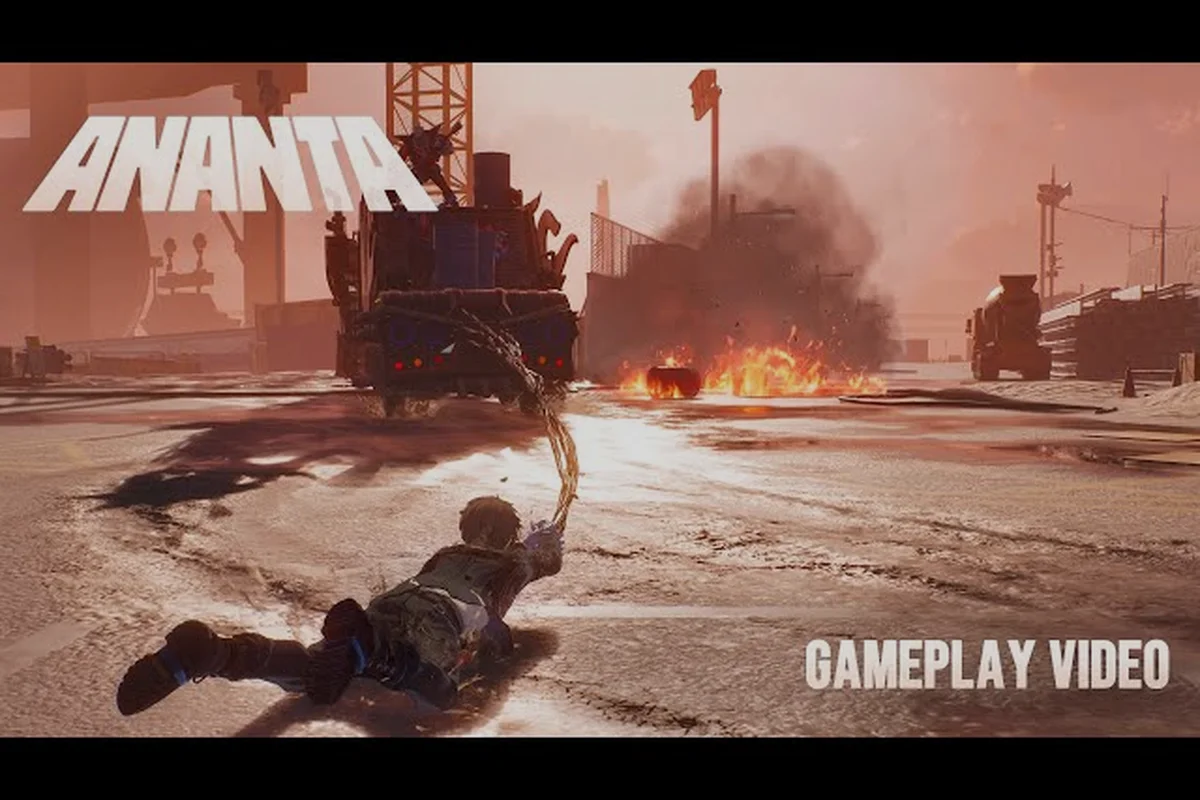
A solid ANANTA combo guide is the difference between button mashing and actually winning street fights across Nova City. Combos in ANANTA chain melee strings, ranged cancels, stance swaps, and special abilities into pressure sequences that lock down even the toughest Chaos enemies. This guide breaks down timing windows, cancel routes, and mix-up layers so you can build the best combat chains for your roster and your playstyle.
According to the official ANANTA combo guide on Roblox, players can unlock additional combo slots by progressing through the main story chapters, with each new slot increasing the maximum number of linked abilities in a single chain.
Melee Strings, Cancel Windows, and Why the Combo Layer Matters
ANANTA combat is built on a layering system: light attacks lead into heavy finishers, finishers cancel into dodges, dodges cancel into ranged attacks, and ranged shots can cancel back into melee pressure. When you stack those layers correctly, you get the long, screen-filling combos that define high-level street fighting. When you skip a layer, the chain drops and the enemy recovers poise. Learning where each cancel window sits is the foundation for every chain you will ever build.
The core combo loop looks like this: open with a light string to build stagger, confirm into a heavy finisher, cancel the recovery frames into a dodge or a special ability, then either re-enter the melee string or pull a ranged weapon for chip damage. Every character in ANANTA follows this base loop, but the timing windows, cancel speeds, and string lengths differ. Some characters, like the Hacker archetype, lean heavily on gadget-cancel routes, while Combat specialists prioritize raw melee string length.
Combo Input Glossary
Before going deeper, it helps to lock in the input language ANANTA uses. Community testing has confirmed the following terminology is the most consistent across player discussions and combat tutorials.
| Term | Meaning |
|---|---|
| Light String | A sequence of 3-5 fast melee attacks with low poise damage |
| Heavy Finisher | A high-damage attack that ends a string and applies hard stagger |
| Cancel Window | The last 6-10 frames of recovery where a new action can override the old one |
| Whiff Punish | Attacking during an enemy's recovery to land a free combo |
| Stance Swap | Switching melee stance mid-string to access a different finisher |
| Gadget Cancel | Using a Hacker ability to skip the end of melee recovery |
| Ranged Poke | A single shot from a ranged weapon inserted between melee strings |
Why Strings Break (and How to Fix Them)
A combo breaks when you press the next input too early, too late, or in the wrong stance. The most common mistake newer players make is mashing the heavy attack button during a light string instead of waiting for the final light hit to land. The game reads that as a buffer error and drops the chain.
The fix is to time the heavy input for the moment the light attack's hit spark appears, which gives the engine a clean transition frame. Community data shows this single timing fix can extend an average player's combo length from 4 hits to 8-10 hits in under an hour of practice. The other big culprit is button priority: if you hold a direction while pressing a heavy attack, the game may read it as a dash cancel instead of a finisher, and your chain collapses.
Street Fighting Mix-Ups: High/Low, Left/Right, and Stance Layering
Mix-ups are what keep your opponent guessing once you have established a combo. ANANTA gives you three primary mix-up layers: high attacks versus low attacks, left-side strings versus right-side strings, and stance swaps that change the angle of your finisher. Layering all three turns a predictable chain into a true street fighting threat.
The basic mix-up structure is: start a string, let the enemy start a dodge, then redirect into the opposite layer. If the enemy dodges left, your next attack should hit right. If the enemy holds block low, your next hit should be a jumping overhead. Because the cancel window opens on the last 6-10 frames of every attack, you can read the dodge and redirect before the enemy finishes their i-frames.
The Three-Layer Mix-Up Map
| Mix-Up Layer | Input Variation | What It Beats |
|---|---|---|
| High vs. Low | Overhead heavy vs. crouching light | Players who hold block in one direction |
| Left vs. Right | Directional heavy vs. cross slash | Players who dodge a fixed direction |
| Stance A vs. Stance B | Swap stance mid-string | Players who memorize your string timing |
The strongest street fighting players in ANANTA don't pick one mix-up layer — they rotate through all three based on what the enemy has done in the previous two seconds. If the enemy dodged left twice in a row, the third hit should aim right. If the enemy blocked low twice, the third hit should be an overhead launcher. According to community testing, layering all three mix-ups extends the average combo by another 3-4 hits on top of the base string length.
Common Mix-Up Mistakes
The most common mix-up mistake is becoming predictable. Once you land a launcher, you cannot keep launching — enemies gain hyper armor after a knockdown and will eat your next attempt. Instead, the optimal pattern is launcher into a grounded pursuit, which gives a free 4-5 hit extension before the enemy stands up. Another mistake is mixing up too fast: if you redirect every single hit, the enemy cannot read your rhythm and the combo becomes random. Save one or two mix-ups per chain for the high-value moment after a hard knockdown.
ANANTA Best Combat Builds: Pairing Roster to Combo Style
Combos do not live in a vacuum — they need a build. The ANANTA best combat builds fall into three families: pure melee pressure, ranged-cancel hybrids, and ability-spam gadget builds. Each family feeds a different combo style, and choosing the right family depends on your character and your squad composition.
A pure melee pressure build maximizes melee damage, string length, and finisher stagger. This family works best for Combat specialists and Gang Leader characters who have access to long, high-damage strings. A ranged-cancel hybrid build balances melee damage with ranged weapon power, making it ideal for street fighting in open environments where you can pop shots between strings. An ability-spam gadget build focuses on ability damage and gadget-cancel routes, which is the signature of the Hacker archetype.
Build Family Comparison
| Build Family | Core Stat Focus | Best For | Combo Style |
|---|---|---|---|
| Pure Melee Pressure | Melee DMG, Poise, Stagger | Boss fights, enclosed arenas | Long strings, heavy finishers |
| Ranged-Cancel Hybrid | Ranged DMG, Attack Speed | Open-world street fighting | Melee-ranged-melee loops |
| Ability-Spam Gadget | Ability DMG, Cooldown Reduction | Chaos enemies, anomaly content | Gadget-cancel chains |
A key insight from community testing is that build family and character archetype interact heavily. Combat specialists naturally fit pure melee pressure, but they can also run ranged-cancel hybrid builds if you spec into ranged mods. Hackers almost always run ability-spam gadget builds because their gadget-cancel routes are faster than any melee cancel. For a deeper breakdown of how stats and mods feed into the top builds, the ANANTA best builds overview covers the same stat families from a build-crafting angle.
Stat Allocation for Combo Length
If your goal is maximum combo length, the stat priority is: Melee DMG > Attack Speed > Stagger > Poise. Melee DMG increases the damage of every hit in your string, so a 12-hit combo scales twice as hard as a 6-hit combo. Attack Speed reduces the recovery between hits, which widens the cancel window and gives you more room to mix up. Stagger and Poise matter less for combo length and more for keeping the chain alive against tough enemies, but a baseline of both is required to prevent enemies from interrupting mid-string.
Ranged Cancels, Mid-Fight Rotation, and the Street Fighting Layer
ANANTA ranged combat is not a separate system — it is a layer you splice into your melee strings. The ranged cancel window opens for 8-12 frames at the end of every heavy finisher. If you input a ranged shot during that window, the game skips the rest of the finisher recovery and goes straight into the shot animation. This is the heart of mid-fight rotation: chain a melee string, cancel the finisher into a ranged shot, then re-enter the melee string before the enemy closes distance.
The trick is that the ranged shot itself has a cancel window. If you input a melee attack during the shot's recovery, you skip the rest of the shot and go straight into a melee swing. That gives you a melee-ranged-melee loop that is nearly impossible to read because the visual rhythm keeps changing. According to community data, players who master this loop average 2-3 extra hits per chain compared to players who stay in pure melee.
When to Use Ranged Cancels
| Situation | Why Ranged Cancel Wins |
|---|---|
| Enemy is knocked down | Free shot, no retaliation risk |
| Enemy is at mid-range | Ranged poke breaks their approach |
| Your melee string just ended | Skip the recovery, stay in pressure |
| You need to apply an elemental proc | Elemental ranged shots set up melee finishers |
The main risk of ranged cancels is the animation commitment. If you fire a ranged shot and the enemy closes distance during the shot, you cannot dodge for a short window. Community testing shows that the safe distance for ranged cancels is 8-12 meters — close enough to re-enter melee instantly, far enough to avoid melee retaliation. Inside 4 meters, the ranged shot animation is too slow to be safe.
Mid-Fight Character Switching
ANANTA lets you swap characters mid-combo, and that swap itself is a cancel. If you input a character switch during the recovery of a heavy finisher, the new character appears mid-animation with their own opening string. This is the most powerful cancel in the game because it adds a free 3-5 hit string on top of whatever your previous character was doing.
The optimal pattern is: primary character opens with a 6-8 hit string, cancels the finisher into a character switch, secondary character extends with a 4-5 hit string, then the third character finishes the chain. This three-character rotation can produce 18-22 hit combos on a single opening, which is the ceiling for most street fighting content. For a full breakdown of which characters fit each role in a rotation, the ANANTA combat system guide covers the cancel structure from the broader fighting mechanics side.
ANANTA Combat Abilities: Ultimate Timing, Cooldown Windows, and Burst Windows
Combat abilities are the highest-damage layer in ANANTA, and every character has three: a baseline ability, a stance ability, and an ultimate. The baseline ability has a short cooldown (8-12 seconds) and fits naturally into most combos. The stance ability requires a stance swap and has a medium cooldown (15-20 seconds). The ultimate has a long cooldown (45-90 seconds) but deals massive damage and applies hard stagger.
The key to using abilities well is matching the cooldown window to the combo structure. Baseline abilities should be inserted at the end of a light string, before the heavy finisher. Stance abilities should be saved for the hard knockdown window after a launcher. Ultimates should be saved for the boss phase transition or for the moment an enemy enters enrage, because the hard stagger from an ultimate cancels the enrage buff entirely.
Ability Tier Reference
| Ability Type | Cooldown | Damage Tier | Best Use Window |
|---|---|---|---|
| Baseline Ability | 8-12s | Medium | End of light string |
| Stance Ability | 15-20s | High | Post-launcher knockdown |
| Ultimate | 45-90s | Massive | Boss phase change, enrage cancel |
The biggest mistake players make with abilities is burning the ultimate on the first combo. Once the ultimate is on cooldown, you lose 45-90 seconds of burst potential. Community data suggests holding the ultimate until the enemy is below 50% HP gives the highest damage-per-second return, because the ultimate's hard stagger locks the enemy in place long enough for your squad to apply 2-3 more full combo strings.
Cooldown Reduction Stacking
Cooldown Reduction (CDR) is the most important secondary stat for ability-spam builds. Each 10% CDR reduces ultimate cooldown by roughly 4.5-9 seconds, and stacks multiplicatively with ability haste mods. At 40% CDR, a 60-second ultimate comes back in 36 seconds, which is enough time to fit two full combos between ultimates. The ceiling most players hit is around 50-55% CDR, after which the returns drop off and you are better off stacking raw damage instead.
Boss Phase Cancels, Stagger Locking, and the Endgame Combo Ceiling
Boss fights in ANANTA follow a phase structure: opener phase, transition phase, enrage phase. Each phase has a different stagger threshold, and combos that worked in the opener often fail in enrage because the boss gains hyper armor. The skill at endgame is recognizing which cancels still work in each phase and adapting your chain on the fly.
During the opener, you can run full 18-22 hit three-character rotations. During transition, the boss gains a damage shield, so you should shift from raw damage to shield-break abilities. During enrage, the boss has hyper armor that interrupts mid-string, so your combos should drop to 6-8 hits and focus on safe cancels into dodges. The endgame combo ceiling is roughly 22-25 hits in opener, 14-18 in transition, and 6-8 in enrage.
Phase-by-Phase Combo Strategy
| Phase | Hyper Armor | Combo Ceiling | Recommended Cancel |
|---|---|---|---|
| Opener | None | 22-25 hits | Full three-character rotation |
| Transition | Shield buff | 14-18 hits | Shield-break ability → melee string |
| Enrage | Full hyper armor | 6-8 hits | Heavy finisher → dodge cancel |
The hardest endgame check is the enrage phase, because hyper armor cancels any string longer than 8 hits. The safest enrage pattern is a short 4-hit light string, a heavy finisher, then an immediate dodge cancel. This gives you 5-6 safe hits per cycle and keeps you out of the hyper armor window. According to community data, players who adopt this enrage pattern clear boss phases roughly 30% faster than players who try to maintain their opener combo length.
For broader guidance on how your squad composition shifts between phases, the ANANTA best team composition tier list covers which characters carry which phases, which is useful for planning your three-character rotation around phase-specific cancel windows.
Frequently Asked Questions
What is the easiest cancel to learn first in ANANTA combat?
The heavy-finisher-into-dodge cancel is the safest because it has the widest window (6-10 frames) and works on every character. Once that cancel is muscle memory, the next step is the ranged cancel during finisher recovery, which adds the melee-ranged-melee loop that defines mid-fight rotation.
How long should a beginner combo be in ANANTA street fighting?
Beginners should aim for a stable 6-8 hit combo before chasing longer chains. According to community testing, hitting 6-8 hits consistently is the threshold where you start winning trades against AI enemies, and extending to 12+ hits is a pure damage optimization that does not change the win rate.
Do ranged cancels work in Chaos enemy encounters?
Yes, but the safe range is shorter. Chaos enemies have movement speed buffs, so the optimal ranged cancel distance drops from 8-12 meters to 5-8 meters. Inside that window, the ranged cancel still skips the finisher recovery and gives a free 2-3 extra hits per chain.
Can I combo ultimates together across characters?
Yes, but only with proper timing. Each ultimate applies hard stagger, and if you fire the second ultimate before the first stagger window closes, the second ultimate's stagger is wasted. The optimal gap is 1-1.5 seconds, which lets the first stagger fully resolve and sets up the second ultimate as a confirmed hit.